High-End Multi-Generational Retreats: Analyzing Luxury Family Resorts USA
Managing multi-generational travel at the ultra-high-net-worth tier requires analyzing operational infrastructure rather than relying on glossy brand photography. A true luxury resort functions as a complex service delivery engine where private security protocols, custom culinary programs, spatial acoustics, and high staff-to-guest ratios must align perfectly.
When evaluating luxury family resorts usa, travel planners must look beyond surface-level visual appeal. High-net-worth families require setups that accommodate distinct routines across children, parents, and grandparents simultaneously.
Securing true hospitality excellence involves auditing yield-managed tariffs, private residential inventory, localized climate risks, and total cost of occupancy.
This analytical guide establishes a decision-making framework for evaluating high-end domestic family resorts, mountain ranch estates, coastal retreats, and private island sanctuaries across the United States.
Understanding “luxury family resorts usa”
Analyzing luxury family resorts usa requires defining what genuine luxury means for multi-member households. High published daily room rates do not automatically guarantee ideal family operational workflows.
True luxury emerges when physical property layouts and intuitive service systems remove the friction of traveling with multiple age groups.
Spatial Zoning and Acoustic Privacy
High-end properties master the physical separation of active social zones and quiet resting areas. Children require high-energy pools and play zones, while adults seek quiet spa grounds and fine dining environments.
Top-tier properties solve this through spread-out land layouts, private villa compounds, and thick acoustic wall dampening.
Dedicated Service Ratios and Private Butler Teams
Standard luxury service falls short when managing complex multi-generational schedules. Ultra-luxury family properties deploy private butler teams trained in youth logistics and dietary management.
These dedicated teams handle daily gear prep, organize private transport, and adjust dining reservations dynamically based on family energy levels.
Custom Experiential Curricula
Prominent luxury family resorts usa replace basic child-watching services with immersive educational programs. Properties partner with marine biologists, wildlife experts, astronomers, and professional athletes to design age-graded youth programs.
These experiences engage younger guests deeply while allowing adult family members to enjoy dedicated relaxation time.
Deep Contextual Background
The evolution of luxury family travel across the United States reflects shifting wealth demographics, changing lifestyle expectations, and advances in physical property design.
Early Twentieth-Century Private Estates and Mineral Retreats
During the Gilded Age, affluent families spent entire summers at private mountain estates or grand coastal mineral retreats. Properties in Newport, the Adirondacks, and coastal Georgia catered to extended stays with formal dress codes, structured social calendars, and heavy reliance on private household staff.
These historic retreats focused primarily on social prestige, fresh mountain air, and quiet outdoor pursuits.
Post-War Country Club Culture and Corporate Luxury Brands
The mid-twentieth century saw the growth of private golf resorts, mountain ski lodges, and desert wellness retreats across the American West and Sunbelt. Corporate hospitality brands standardized luxury room dimensions, fine dining protocols, and high-end concierge services.
However, many properties still treated child care as an afterthought, offering simple babysitting rather than dedicated youth facilities.
The Modern Era of Experiential Residential Luxury
Today, luxury family travel prioritizes spatial flexibility, private home rentals with resort services, and personalized outdoor adventures. Modern families reject rigid formal traditions in favor of comfortable environments where children feel welcomed rather than restricted.
Current luxury properties feature multi-bedroom residential compounds, private plunge pools, full kitchens, and custom eco-tours tailored to multi-generational groups.
Conceptual Frameworks and Mental Models
Applying analytical frameworks helps family travel planners evaluate property claims objectively before booking expensive non-refundable stays.
1. The Frictionless Logistics Index (FLI)
This model evaluates how effectively a resort removes operational hassles from a family’s daily schedule.
FLI Application Rules
-
Core Principle: Higher scores indicate that property service teams handle daily logistics seamlessly without requiring constant parental supervision.
-
Operational Indicator: Dedicated golf carts assigned to private villas along with 24-hour private driver availability.
-
Systemic Limit: Properties relying on slow shared shuttle vans yield low logistics index scores.
2. The Multi-Bed Residential Efficiency Ratio (MRER)
This framework evaluates the ratio of private suite living space relative to shared hotel guest rooms.
MRER Model Metrics
-
Core Principle: Larger private living quarters reduce interpersonal friction during extended multi-generational stays.
-
Operational Indicator: Villas featuring independent master suites, private kitchens, and separate nanny quarters.
-
Systemic Limit: Multi-room layouts often require booking months in advance during peak holiday travel periods.
3. Experiential Depth Metric (EDM)
This framework evaluates the educational quality of resort youth programming compared to standard child-minding services.
EDM Metric Principles
-
Core Principle: Higher expert involvement creates engaging educational experiences for children rather than passive screen time.
-
Operational Indicator: On-site marine biology labs, private astronomer observatories, or professional tennis academies.
-
Systemic Limit: Highly specialized expert programs usually require advance reservations and additional fee structures.
Key Categories and System Variations
Understanding the structural differences across high-end resort categories helps families select properties aligned with their specific travel goals.
Private Island and Oceanfront Sanctuaries
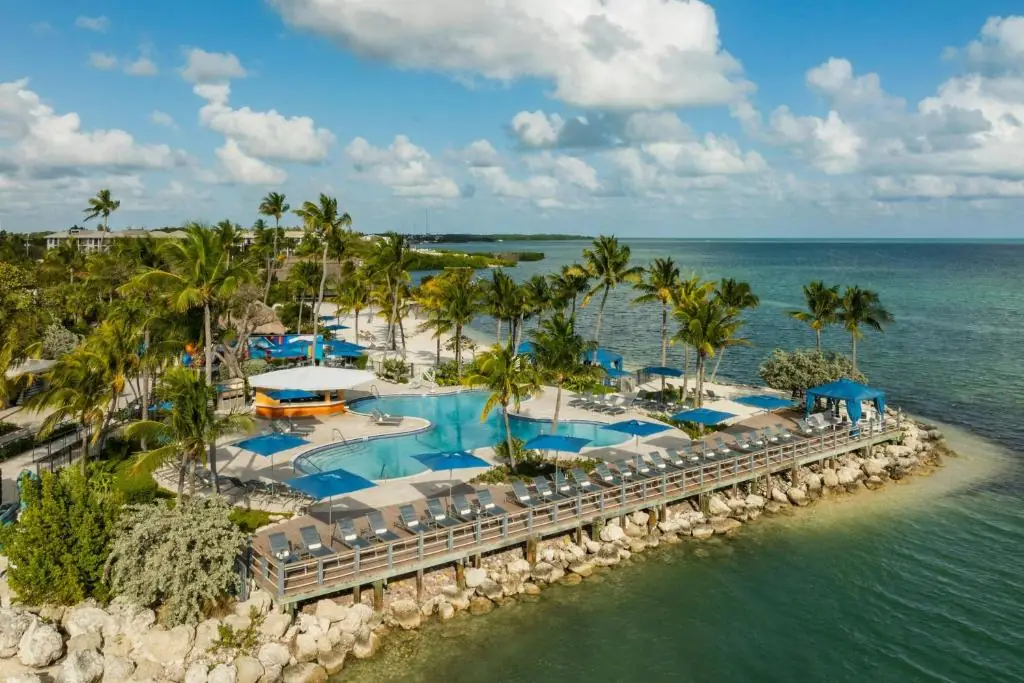
Exclusive island retreats offer ocean access, private deep-water docks, custom yacht charters, and secluded beachfront villas.
Oceanfront Sanctuary Traits
-
Pros: High physical security; direct water access; private dining on secluded beaches; peaceful atmosphere.
-
Cons: High vulnerability to coastal weather shifts; requires boat or helicopter transfers; premium room rates.
Luxury Mountain Guest Ranches
Sprawling Western ranches combine private cabin compounds with horseback riding, fly fishing, shooting sports, and gourmet farm-to-table dining.
-
Pros: All-inclusive financial structure; expansive natural space; high staff-to-guest ratios; excellent screen-free youth outdoor programs.
-
Cons: Requires regional flights and ground transfers; high physical demands; limited availability during peak summer months.
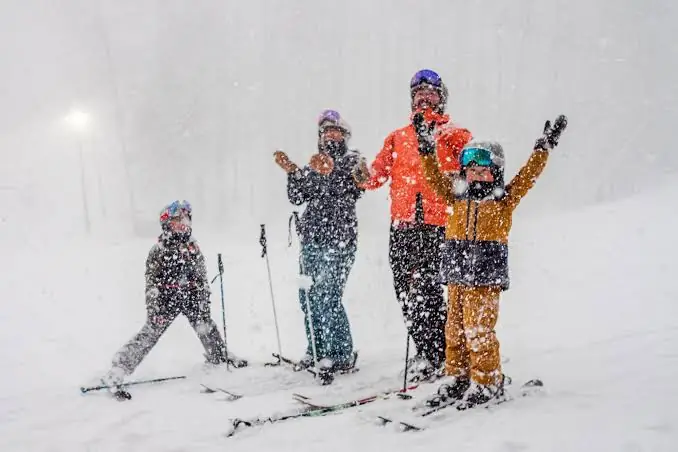
High-Alpine Ski-In/Ski-Out Compounds
Year-round alpine resorts provide direct ski access, private ski valets, indoor-outdoor pool complexes, and thermal spa facilities.
Alpine Compound Attributes
-
Pros: Seamless access to winter sports; private ski equipment storage; dramatic mountain scenery; spacious residential condos.
-
Cons: High altitude adaptation required; expensive gear logistics; weather-dependent activity schedules.
Desert Oasis Golf and Tennis Estates
Southwestern desert properties feature private multi-bedroom casitas, world-class golf courses, tennis academies, and extensive spa facilities.
Desert Estate Dynamics
-
Pros: High winter weather predictability; quiet spread-out layouts; world-class adult wellness amenities.
-
Cons: Extreme summer heat limits midday outdoor activities; high pool crowding during peak spring break periods.
Historic Lake and Mountain Lodges
Legacy mountain retreats combine historic architecture with private lakeside cabins, watercraft fleets, and traditional evening social gatherings.
-
Pros: Timeless atmospheric charm; calm freshwater swimming; strong multi-generational nostalgia.
-
Cons: Historic structures may lack modern elevator access or modern soundproofing; smaller standard bathroom footprints.
Category Comparison
| Resort Category | Spatial Privacy | Youth Program Depth | Service Customization | Peak Pricing Seasons |
| Oceanfront Sanctuaries | Extremely High | High (Marine Sci) | High (Private Butler) | Dec – April / July – Aug |
| Mountain Ranches | High (Private Cabins) | Extremely High | High (Guided Outdoor) | June – Sept / Dec – Jan |
| Alpine Ski Compounds | High (Villas/Condos) | Moderate (Ski School) | Moderate to High | Dec – March / July – Aug |
| Desert Oasis Estates | High (Private Casitas) | Moderate (Youth Club) | High | Jan – April / Oct – Nov |
| Historic Lodges | Moderate | Moderate (Lakeside) | Moderate | June – Labor Day |
Detailed Real-World Scenarios
Analyzing practical travel scenarios demonstrates how spatial, financial, and operational variables influence family resort selection.
Scenario A: Three-Generation Milestone Trip for Fourteen
A family matriarch plans a 70th birthday celebration bringing together three adult children, their spouses, and six grandchildren aged 4 to 16.
Scenario Execution
-
Primary Constraint: Accommodating mobility needs while keeping grandchildren engaged across different age brackets.
-
Optimal Strategy: Reserve a multi-cabin private compound at an all-inclusive Western luxury ranch offering tailored daily itineraries, private group dining, and dedicated transportation.
-
Failure Mode: Booking isolated hotel rooms in a single high-rise resort tower, forcing constant elevator rides and crowded public dining.
Scenario B: High-Privacy Coastal Trip for High-Profile Household
A high-profile household seeks a quiet oceanfront retreat away from public crowds and photography.
-
Primary Constraint: Maintaining strict physical security and personal privacy without sacrificing family fun.
-
Optimal Strategy: Secure a gated private beachfront sanctuary offering dedicated security staff, private docks, and in-villa dining service.
-
Failure Mode: Staying at a large commercial beach resort where crowded public pools expose the family to unwanted attention.
Scenario C: Winter Alpine Vacation for Active Family of Five
Parents travel with three teenagers seeking a high-energy winter ski trip with simple logistics.
-
Primary Constraint: Managing bulky ski equipment, cold-weather prep, and independent teenager movements.
-
Optimal Strategy: Reserve a ski-in/ski-out residential villa featuring private ski valet services, heated boot storage, and walking access to an alpine village.
-
Failure Mode: Booking an off-mountain hotel requiring morning shuttle buses while carrying heavy ski gear.
Planning, Cost, and Resource Dynamics
Evaluating the true financial commitment of luxury family resorts usa requires calculating indirect service fees, private transport costs, and custom activity pricing alongside base tariffs.
Financial Metric Breakdown
Understanding total daily occupancy costs requires auditing line-item expense drivers across luxury property categories.
| Expense Line Item | Baseline Range | Ultra-Luxury Range | Primary Cost Driver | Optimization Strategy |
| Base Villa Rate | $1,200 / night | $8,500 / night | Villa size, oceanfront access | Book during shoulder transition weeks |
| Private Butler Service | Included | $500 / day | Dedicated staffing ratio | Confirm service inclusions at booking |
| Private Transfers | $200 / leg | $1,500 / leg | Helicopter/yacht access | Utilize resort house cars for local trips |
| Custom Youth Tours | $120 / half-day | $450 / full-day | Expert-led instruction | Bundle activities into group packages |
| In-Villa Dining | $150 / person | $450 / person | Private chef customization | Combine chef dinners with light self-prep |
Tools, Strategies, and Support Systems
Deploying systematic evaluation tools allows family travel planners to select high-performing properties while managing operational logistics smoothly.
1. Pre-Arrival Villa Acoustic and Layout Audits
Before finalizing reservations, families should audit floorplans to verify proper soundproofing and sleeping configurations.
Auditing Principles
-
Application Strategy: Request architectural layouts showing door placements between master bedrooms and children’s quarters to ensure sound isolation.
-
Constraint: Requires direct communication with high-level resort reservation managers rather than standard online booking engines.
2. Private Culinary Pre-Stocking Protocols
Arranging custom villa provisioning prior to arrival eliminates reliance on room service for simple snacks and drinks.
-
Application Strategy: Send preferred dietary lists to the butler team four weeks prior to arrival to stock fridges with organic fruit, drinks, and snacks.
-
Constraint: Requires paying property provisioning surcharges on grocery totals.
3. Advance Youth Program Reservations
Booking specialized youth adventure spots months in advance ensures children access top expert-led programs.
-
Application Strategy: Reserve spots in oceanography labs, junior golf academies, or horseback riding schools during initial trip planning.
-
Constraint: Specialized activities often feature strict cancellation penalty windows.
Risk Landscape and Failure Modes
Evaluating potential operational failures helps families safeguard their vacation investments against unexpected disruptions.
1. Seasonal Climate Disruptions
Coastal oceanfront retreats and alpine ski properties face risks from tropical storms, heatwaves, or poor winter snow conditions.
-
Impact: Forced travel cancellations, closed outdoor facilities, or poor ski conditions.
-
Preventative Countermeasure: Purchase comprehensive trip cancellation insurance and monitor regional weather trends.
2. Service Quality Degradation During Peak Seasons
High occupancy during national holidays can strain resort staffing, causing slower butler response times and dining delays.
-
Impact: Slower service response times, crowded pool decks, and unavailable dining slots.
-
Preventative Countermeasure: Travel during shoulder-season dates or reserve private in-villa chef services.
3. Villa Acoustic Deficiencies
Lightly constructed villas or poor wall insulation can allow noise to travel between active living areas and quiet bedrooms.
-
Impact: Disturbed sleep schedules for toddlers and elderly family members.
-
Preventative Countermeasure: Confirm solid-core interior doors and concrete construction materials prior to booking.
Governance, Maintenance, and Long-Term Adaptation
Establishing structured family travel workflows helps household planners refine resort selections based on real travel performance over time.
Pre-Booking Verification Checklist
-
Layout Verification: Confirm independent bathroom access and acoustic separation between sleeping zones.
-
Security Protocol: Audit property gate access control and private estate surveillance standards.
-
Culinary Flexibility: Confirm custom dietary preparation capabilities across all on-site restaurants.
-
Transit Logistics: Confirm private airport transfer options and availability of on-site house cars.
Measurement, Tracking, and Evaluation
Tracking objective travel data across multiple vacations helps families identify properties that consistently deliver high value.
Quantitative Metrics
-
True Daily Rate (TDR): Calculate total trip costs divided by total nights stayed.
-
Spatial Value Ratio: Calculate cost per square foot of private living area.
-
Service Response Index: Track average response times for butler requests and room service deliveries.
Qualitative Metrics
-
Restorative Value Index: Measure post-trip energy levels across adult family members.
-
Educational Engagement Level: Assess child enthusiasm regarding resort educational activities.
-
Family Harmony Rating: Track friction points linked to room layout constraints.
Common Misconceptions and Oversimplifications
Myth 1: Expensive Published Rates Always Guarantee Complete Privacy
Travelers often assume high daily room rates automatically guarantee secluded environments free from public crowds.
-
Reality: High prices during peak holiday seasons often reflect demand rather than private spatial layouts.
Myth 2: All-Inclusive Ranches Are Always More Expensive Than Coastal Hotels
Families assume luxury Western ranches cost significantly more than oceanfront beach resorts.
-
Reality: When factoring in daily fine dining, guided activities, and equipment rentals at beach properties, all-inclusive ranch rates often prove comparable.
Myth 3: Butler Services Are Unnecessary for Casual Family Vacations
Planners frequently view private butler service as an over-the-top luxury rather than a practical planning tool.
-
Reality: Dedicated butler teams remove significant daily stress by managing meal times, gear prep, and child schedules.
Ethical, Practical, and Contextual Considerations
Choosing high-end family resorts involves considering local environmental impacts and community relationships. Sustainable properties prioritize water conservation, renewable energy systems, organic farm partnerships, and fair local employment practices.
Supporting eco-conscious resorts helps preserve delicate coastal marine environments, Western wilderness areas, and alpine ecosystems for future generations. Evaluating sustainability policies ensures family travel spend supports responsible land management.
Conclusion
Navigating the landscape of luxury family resorts usa requires a clear evaluation framework focused on spatial layouts, service capabilities, transparent costs, and climate dynamics. Moving beyond surface-level brand marketing allows families to select properties that provide true comfort and convenience across all generations.