Strategic Evaluation Framework: Selecting the Best Family Resorts in the US
Selecting resort accommodations for multi-generational travel requires evaluating operational capabilities rather than accepting promotional marketing claims at face value. A resort environment functions as a micro-ecosystem where physical infrastructure, seasonal staffing levels, spatial layout, and food service logistics directly shape daily guest experiences.
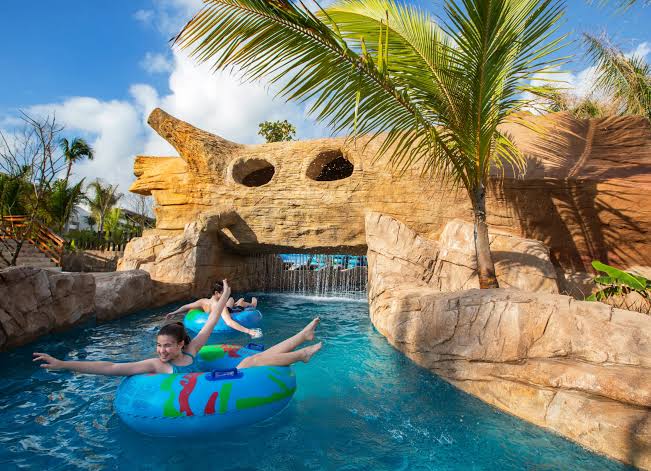
When evaluating the best family resorts in the us, family travel planners must analyze how well property operations accommodate diverse age groups simultaneously. High-capacity water parks, curated youth programs, private residential suites, and varied dining venues serve distinct demographic needs across three generations.
Evaluating these properties requires moving beyond top-ten listicles. Planners must assess yield management pricing, physical accessibility, local climate risks, and total cost of occupancy.
This comprehensive guide provides an analytical framework for auditing luxury domestic family resorts, mountain ranch retreats, theme park properties, and coastal destinations across the United States.
Understanding “best family resorts in the us”
Identifying the best family resorts in the us requires defining what constitutes hospitality excellence for multi-member households. A property cannot earn top-tier status through luxury amenities alone if its layout fails to support family logistics.
True operational quality requires matching spatial design and service workflows with the real physical routines of traveling families.
Demographic Friction Points
Multi-generational groups present conflicting daily priorities that strain standard hotel operations. Toddlers require strict nap schedules and early dining options, while teenagers seek social autonomy and high-energy recreational facilities.
Simultaneously, parents and grandparents desire quiet spaces, high-end dining, and wellness amenities.
Properties qualifying as the best family resorts in the us solve these conflicting demands through intentional spatial zoning and tailored programming.
Spatial Separation Infrastructure
Connecting standard hotel rooms rarely solves family spatial challenges. True family-centric luxury relies on dedicated multi-bedroom suites, private residential villas, and acoustic soundproofing between living areas.
Separating sleeping quarters from central living zones allows early risers and late sleepers to coexist without friction.
Programmatic Depth versus Babysitting Services
Superior family resorts separate certified experiential learning programs from simple child-watching services. Top-tier properties integrate regional culture, marine biology, horsemanship, or alpine ecology into age-appropriate youth curricula.
This educational depth keeps younger guests engaged while giving adult family members dedicated leisure time.
Deep Contextual Background
The historical development of family resort hospitality in the United States reflects changing transportation systems, economic trends, and societal views on family leisure.
Nineteenth-Century Mineral Springs and Mountain Retreats
In the nineteenth century, affluent urban families escaped summer heat by visiting grand mountain hotels and coastal mineral springs. Properties in the Catskills, the Berkshire Mountains, and Virginia mineral springs offered multi-week stays focused on fresh air, social gathering, and restorative health.
These early retreats featured shared dining halls, lawn games, and natural trail networks designed for extended multi-generational visits.
Mid-Century Motor Culture and Theme Park Integration
Post-World War II highway construction and expanding automobile ownership transformed American vacation patterns. The mid-twentieth century saw the rise of family roadside motels, regional lake lodges, and dedicated destination theme parks.
Developments in Central Florida and Southern California combined themed hotel lodging directly with entertainment attractions. This shift transformed family resorts from passive rest retreats into structured activity hubs.
The Modern Experiential Luxury Era
Today, luxury family hospitality blends private residential living with resort-level concierge services. The modern market prioritizes personalized eco-adventures, high-end culinary programs, and wellness options over generic play structures.
Current travel planners evaluate properties based on physical space, digital connectivity, dietary customization, and educational value.
Conceptual Frameworks and Mental Models
Applying structured decision models helps families evaluate resort choices objectively before placing non-refundable trip deposits.
1. The Multi-Generational Satisfaction Matrix (MGSM)
This framework evaluates how effectively a resort balances activities across three distinct age groups: children, parents, and grandparents.
MGSM Application Principles
-
Core Principle: A resort must achieve high scores across all three age categories to prevent group friction.
-
Operational Indicator: Dedicated adult-only pools positioned away from high-capacity youth water parks.
-
Systemic Limit: Properties scoring high in youth activities but low in adult dining create low total satisfaction for older family members.
2. The Spatial Autonomy Index (SAI)
The Spatial Autonomy Index calculates usable private space per guest relative to total communal resort square footage.
Spatial Autonomy Principles
-
Core Principle: Greater square footage per occupant minimizes interpersonal stress during multi-day stays.
-
Operational Indicator: Suites equipped with separate living rooms, full kitchens, and multiple bathrooms.
-
Systemic Limit: High spatial autonomy often carries a financial premium during peak travel seasons.
3. Frictional Distance Ratio (FDR)
This metric measures transit friction by evaluating the time required to move from guest accommodations to primary resort amenities.
FDR Metrics
-
Core Principle: Minimizing internal transit times reduces physical fatigue for young children and elderly family members.
-
Operational Indicator: Centralized village layouts with compact, pedestrian-friendly walkways.
-
Systemic Limit: Large-scale sprawling properties require continuous internal shuttle services, adding daily transit delays.
Key Categories and System Variations
Selecting the proper resort category requires matching property features with family travel priorities. The following sections examine six primary family resort categories operating across the United States.
Mountain Luxury Ranches
Luxury guest ranches combine outdoor wilderness experiences with high-end lodging, personal equestrian instruction, and farm-to-table dining programs.
Mountain Ranch Attributes
-
Pros: High staff-to-guest ratios; deep immersion in nature; all-inclusive pricing structure; uncrowded outdoor environments.
-
Cons: High base rates; requires flight connections to regional mountain airports; limited availability during peak seasons.
Coastal Barrier Island Destinations
Subtropical island properties provide oceanfront access, extensive water sport options, tidal marine programs, and dedicated golf facilities.
-
Pros: Direct beach access; extensive aquatic sports options; mild winter climates; strong multi-generation appeal.
-
Cons: Vulnerable to seasonal tropical storms; high humidity in mid-summer; spread-out layouts requiring golf cart transportation.
Theme-Park Integrated Destination Properties
Properties located within major theme park complexes provide dedicated park access perks, immersive character dining, and themed pool complexes.
Theme Park Resort Dynamics
-
Pros: Early park entry benefits; seamless transit to attractions; highly immersive youth entertainment.
-
Cons: High ambient noise levels; crowded dining venues; premium rates for standard room sizes.
Alpine Ski and Summer Mountain Resorts
Year-round mountain resorts feature ski-in/ski-out access during winter months and mountain biking, alpine slides, and hiking during summer seasons.
-
Pros: Direct access to alpine sports; dramatic mountain views; spacious condo-style lodging options.
-
Cons: High altitude adaptation required; variable weather conditions; expensive winter sports gear rentals.
Desert Oasis Wellness Retreats
Southwestern desert properties provide extensive pool networks, world-class golf courses, tennis academies, and luxury spa complexes.
Desert Retreat Dynamics
-
Pros: High winter sunshine predictability; quiet spatial layouts; world-class spa facilities.
-
Cons: Extreme summer heat limits daytime outdoor activities; pool spaces can get crowded during spring breaks.
Historic Lakeside Grand Hotels
Legacy freshwater lake properties feature timeless architecture, traditional dining rooms, lawn sports, and watercraft rentals.
-
Pros: Historic atmosphere; calm lake waters for swimming; traditional evening social traditions.
-
Cons: Historic structures may lack modern elevators or central AC; smaller standard bathroom configurations.
Category Comparison
| Resort Category | Spatial Autonomy | Youth Program Depth | All-Inclusive Options | Peak Pricing Windows |
| Mountain Luxury Ranches | High (Private Cabins) | High (Guided Outdoor) | Extremely High | June – August / Dec |
| Coastal Barrier Islands | Moderate to High | Moderate (Marine Sci) | Low to Moderate | May – September |
| Theme-Park Integrated | Low to Moderate | High (Immersive) | Low (A la carte) | School Holidays |
| Alpine Mountain Resorts | High (Condos/Villas) | Moderate (Ski School) | Low | Dec – Mar / July – Aug |
| Desert Oasis Retreats | Moderate | Moderate (Youth Club) | Low to Moderate | Feb – April / Oct – Nov |
| Historic Lakeside | Low to Moderate | Moderate (Traditional) | Moderate | June – Labor Day |

Detailed Real-World Scenarios
Examining real-world family scenarios highlights how spatial, budgetary, and operational constraints influence resort selection.
Scenario A: Multi-Generational Celebration for Twelve Guests
Grandparents organize a 50th wedding anniversary trip bringing adult children and four grandchildren aged 3 to 14.
Strategic Execution
-
Primary Constraint: Balancing limited elderly mobility with high child energy levels.
-
Optimal Strategy: Reserve a multi-bedroom residential villa at a coastal barrier island resort featuring private ground-floor suites, accessible pool ramps, and on-site golf cart rentals.
-
Failure Mode: Booking isolated standard hotel rooms across multiple floors in a high-rise city hotel.
Scenario B: High-Energy Dual-Child Active Vacation
Parents travel with two active children aged 8 and 11, seeking an outdoor vacation without screen time.
-
Primary Constraint: Keeping young guests actively engaged without relying on television or mobile devices.
-
Optimal Strategy: Book an all-inclusive mountain guest ranch offering daily guided horseback rides, archery, fly fishing instruction, and evening campfires.
-
Failure Mode: Selecting a beach resort where bad weather forces families indoors into small hotel rooms.
Scenario C: Winter Alpine Sports Trip for Five
A family of five with three teenagers plans a week-long winter ski vacation.
-
Primary Constraint: High gear-transport logistics, cold-weather prep time, and teenage social autonomy.
-
Optimal Strategy: Select a ski-in/ski-out condo-resort featuring dedicated ski valet services, private hot tubs, and proximity to an alpine village.
-
Failure Mode: Booking an off-mountain hotel requiring daily shuttle rides with heavy ski equipment.
Planning, Cost, and Resource Dynamics
Evaluating the true financial commitment of luxury family resorts requires calculating indirect ancillary expenses alongside base published room rates.
Financial Metric Analysis
Evaluating properties across the best family resorts in the us requires auditing line-item cost drivers.
| Expense Category | Low-End Baseline | Premium Baseline | Primary Cost Driver | Optimization Strategy |
| Base Room Tariff | $320 / night | $1,800 / night | Seasonality, suite size | Book shoulder-season dates |
| Resort Surcharges | $30 / night | $110 / night | Property amenity policies | Redeem loyalty points for fee waivers |
| Youth Programs | $50 / half-day | $240 / full-day | Staff ratios, inclusions | Select bundled ranch/all-inclusive options |
| Valet / Parking | $25 / night | $85 / night | Location density, urban access | Utilize self-parking or regional rideshares |
| On-Site Dining | $80 / person / day | $320 / person / day | Captive resort pricing | Reserve suites with kitchen facilities |
Tools, Strategies, and Support Systems
Deploying systematic evaluation tools allows planners to select high-performing properties while managing total travel expenses.
1. Spatial Floorplan Auditing
Before finalizing reservations, families should request architectural floorplans to confirm layout suitability.
Auditing Execution
-
Application Strategy: Request layout diagrams showing door placements between bedrooms and living spaces to ensure quiet sleeping zones for children.
-
Constraint: Standard booking sites rarely feature floorplans, requiring direct communication with property reservation teams.
2. Dining Inventory and Grocery Logistics
Arranging local grocery deliveries prior to arrival reduces reliance on expensive resort room service.
-
Application Strategy: Schedule grocery delivery services to drop off fresh fruit, milk, snacks, and breakfast items at check-in.
-
Constraint: Requires reserving suite accommodations equipped with full-sized refrigerators.
3. Dedicated Concierge Pre-Arrival Planning
Engaging with property concierges four to six weeks prior to arrival secures preferred activity times and dining reservations.
-
Application Strategy: Confirm youth program spots, cabana rentals, and group dining reservations well before arrival.
-
Constraint: Requires early trip planning and non-refundable scheduling decisions.
Risk Landscape and Failure Modes
Evaluating systemic risks helps families avoid travel disruptions caused by environmental weather patterns or operational property failures.
1. Environmental Weather Vulnerabilities
Properties located in coastal or mountain zones face disruption risks from hurricanes, summer heatwaves, or winter blizzards.
-
Impact: Forced evacuation orders, pool closures, or cancelled outdoor recreation programs.
-
Preventative Countermeasure: Secure flexible trip protection insurance and monitor seasonal weather patterns.
2. High-Density Facility Crowding
Visiting top resorts during peak national holidays can overload dining venues, pool decks, and shuttle networks.
-
Impact: Long wait times for meals, unavailable pool loungers, and crowded youth activity spaces.
-
Preventative Countermeasure: Travel during regional shoulder-season windows or reserve private cabanas in advance.
3. Youth Program Staffing Deficits
Seasonal hospitality labor shortages can force resorts to cap youth club attendance or reduce daily operating hours.
-
Impact: Parents lose expected leisure hours when youth programs fill up quickly.
-
Preventative Countermeasure: Confirm guaranteed youth club reservations in writing at time of booking.
Governance, Maintenance, and Long-Term Adaptation
Establishing family travel routines helps household planners refine resort selections based on real travel outcomes over time.
Pre-Booking Verification Protocol
-
Layout Check: Confirm bedroom acoustic separation and bathroom counts.
-
Fee Transparency: Audit all mandatory resort fees, parking surcharges, and service charges.
-
Program Inclusions: Verify youth club operating schedules and staff certification standards.
-
Dining Flexibility: Check for local off-site dining alternatives within comfortable walking distance.
Measurement, Tracking, and Evaluation
Tracking objective travel data across multiple vacations helps families identify properties offering optimal cost-to-value returns.
Quantitative Metrics
-
True Daily Rate (TDR): Calculate total stay cost divided by number of nights spent.
-
Spatial Value Metric: Divide room costs by total interior living square footage.
-
Transit Delay Factor: Record average minutes spent waiting for elevators, shuttles, or dining tables.
Qualitative Metrics
-
Restorative Value Index: Assess post-vacation fatigue levels across adult family members.
-
Educational Engagement Level: Evaluate child enthusiasm regarding resort educational programs.
-
Interpersonal Harmony Rating: Track family friction incidents linked to crowded room layouts.
Common Misconceptions and Oversimplifications
Myth 1: Higher Room Rates Always Guarantee Superior Service
Travelers assume expensive night rates automatically ensure flawless service execution and private environments.
-
Reality: High prices during peak holidays often reflect high regional demand rather than improved service quality or low crowd levels.
Myth 2: All-Inclusive Resorts Always Reduce Total Costs
Families assume all-inclusive packages are always cheaper than paying separately for meals and activities.
-
Reality: Families who prefer light meals or off-site exploring often overpay under fixed all-inclusive pricing structures.
Myth 3: Dedicated Youth Clubs Are Essential for Family Vacations
Planners frequently prioritize resorts with large youth clubs regardless of actual child preferences.
-
Reality: Older children and teens often prefer unstructured natural recreation over organized indoor group activities.
Ethical, Practical, and Contextual Considerations
Choosing luxury family resorts carries environmental and social responsibilities. Sustainable properties prioritize water conservation, waste reduction, natural landscape protection, and fair local employment practices.
Supporting eco-certified resorts preserves coastal ecosystems, alpine wilderness zones, and desert habitats for future generations. Evaluating environmental policies ensures family travel spend supports sustainable hospitality practices.
Conclusion
Finding the best family resorts in the us requires a structured evaluation framework that prioritizes room space, program depth, transparent pricing, and clear location logistics. Moving beyond promotional claims allows planners to choose properties that deliver true multi-generational value.
Matching family priorities with proper property layouts ensures every vacation builds lasting family memories while protecting financial capital.