
Compare Family Resorts: Analytical Guide to Rates, Layouts, and Services
Evaluating global vacation destinations requires systematic analysis rather than reliance on promotional photography or superficial consumer reviews. Multi-generational travel involves balancing conflicting space requirements, varied energy levels, and complex dietary preferences.
When planners systematically compare family resorts, they must evaluate operational capabilities alongside visual marketing. A successful stay relies on efficient site design, appropriate labor allocation, and transparent pricing structures.
Modern hospitality platforms present diverse business structures ranging from conventional hotel models to vast, self-contained inclusive compounds. Navigating these options demands a comprehensive assessment of baseline costs, service limits, and hidden surcharges.
Travelers often struggle with inconsistent industry terminology that masks functional deficiencies under generic family-friendly branding. Treating property evaluation as an analytical exercise yields superior outcomes over long travel horizons.
Understanding site constraints allows families to match internal group dynamics with external physical environments. Properties engineered for toddlers rarely satisfy the autonomy requirements of teenagers.
Analyzing operational realities prevents costly mismatches, ensuring all guests secure genuine rest. This reference guide establishes an analytical structure for evaluating leisure properties worldwide using spatial metrics, cost auditing, and operational verification.
Understanding “compare family resorts”
Systematic destination analysis extends far beyond contrasting room prices or checking for on-site swimming pools. When travelers attempt to compare family resorts, they are fundamentally auditing how effectively properties manage competing demographic requirements.
Children need physical safety, structured activities, and age-appropriate sensory environments. Adults prioritize spatial quiet, restorative amenities, high-quality dining options, and efficient service execution.
Failure to balance these operational tracks creates inter-generational friction, degrading the experience for all participants.
Analytical Nuances in Hospitality Data
A core issue in evaluating properties arises from vague industry standards. Properties frequently claim full family orientation while providing only basic rollaway beds or simplified children’s menus.
True operational readiness requires zoned site architecture, certified supervisory personnel, and dedicated safety protocols. Consumers often mistake general leisure hotels for fully integrated multi-generational ecosystems.
Spatial and Acoustic Integration Metrics
High-performing resorts integrate youth facilities into overall layouts without allowing active play to disrupt quiet sectors. Sound management between active water parks and relaxation zones remains an essential design indicator.
When resorts rely on shared open plazas for loud evening shows, sound pollution disrupts sleep cycles. Conversely, placing youth centers in remote basements reduces child participation rates.
The Limits of Review Aggregation
Relying solely on review scores presents real risks to travelers. Aggregate star ratings reflect structural items like square footage or flat-screen televisions rather than service delivery quality.
Online reviews frequently reflect emotional reactions or post-vacation relief rather than objective operational performance. Evaluating destinations requires scrutinizing staff ratios, maintenance schedules, and site layouts rather than promotional quotes.
Deep Contextual Background
The evolution of multi-generational hospitality tracks broader historical changes in labor economics, transport technology, and family demographics. Early vacation patterns centered around mountain lodges near major urban centers during the early twentieth century.
These facilities used simple operational frameworks built around common dining rooms and unstructured outdoor recreation. Labor dynamics were straightforward, relying on self-directed family activities and natural surroundings.
The mid-twentieth century brought interstate highways and expanded commercial aviation, broadening geographic access for leisure travel. Real estate developers recognized that long-distance travelers preferred centralized amenities to lower trip planning stress.
Properties began adding swimming pools, organized recreation programs, and dedicated activity hosts on-site. This shift transformed lodging from passive resting places into active, self-contained recreational hubs.
During the late twentieth century, all-inclusive resort models expanded across international sun-and-sand markets. Designed to eliminate currency confusion and security concerns, this pricing model changed operational delivery. Bundling rooms, meals, beverages, and basic activities guaranteed predictable revenue streams for resort operators.
However, early properties often compromised culinary quality and child-care oversight to maintain profit margins. Today, leisure hospitality operates within a segmented, global market driven by digital booking engines. Specialized operators develop properties to meet precise household requirements.
Modern properties deploy rigorous child safety standards, allergen management protocols, and age-divided activity clubs. Managing these complex environments requires high capital investment and advanced staff scheduling, separating top properties from standard lodging choices.
Conceptual Frameworks and Mental Models
Applying structured mental models helps planners evaluate competing choices effectively. These conceptual frameworks separate marketing rhetoric from actual physical conditions on-site.
1. Spatial-Acoustic Buffering Model
This model assesses how effectively a property manages physical layouts to prevent conflicts between different age groups. High-scoring properties use natural landscape shifts and acoustic design to isolate noise.
Acoustic Design Principles
-
Core Principle: Spatial separation without operational isolation preserves multi-generational utility.
-
Operational Indicator: Adult relaxation areas placed away from splash pads via natural grade changes.
-
Systemic Limit: Compact urban properties rarely achieve optimal buffering due to site footprint boundaries.
2. The Total Logistical Friction Framework
This framework calculates the daily management burden placed on parents during their stay. Higher operational performance from resort staff reduces parental planning stress.
-
Core Principle: Hospitality value depends on eliminating daily administrative tasks.
-
Operational Indicator: App-driven activity booking, central gear lockers, and integrated shuttle services.
-
Systemic Limit: Low-friction environments require dense staffing levels, which significantly raises package costs.
3. Developmental Age-Mapping Matrix
Family needs shift as children advance through developmental stages. This matrix matches property infrastructure with childhood age brackets.
Matrix Application Dynamics
-
Core Principle: Facilities must align with the specific developmental stages of attending children.
-
Operational Indicator: Highly specialized youth programs separated into narrow age groups.
-
Systemic Limit: Properties catering to every age group simultaneously risk diluting overall service quality.
Key Categories and System Variations
Recognizing key category variations helps planners select properties that match financial allocations and family goals. Evaluating categories requires analyzing clear trade-offs across capital requirements, spatial layout, and service access.
All-Inclusive Tropical Estates
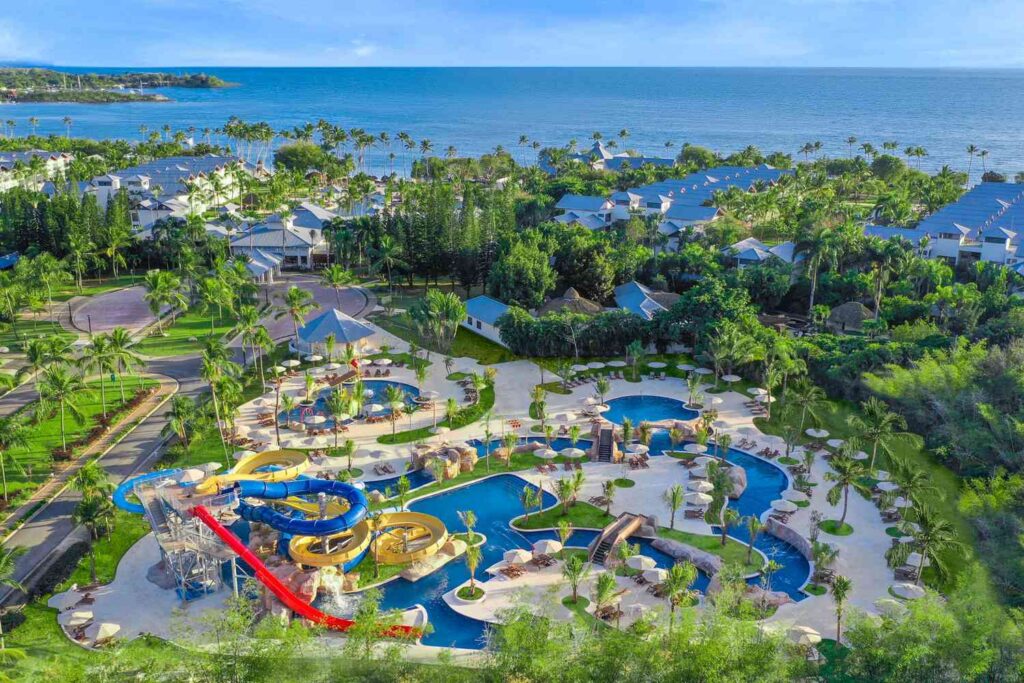
These properties bundle accommodations, dining, drinks, and scheduled entertainment into a single pricing structure. Situated in warm coastal regions, they focus on low-friction relaxation.
Tropical Operating Characteristics
-
Pros: High baseline cost predictability; robust drop-in youth clubs; gated physical security.
-
Cons: Premium dining often incurs surcharges; high peak-season guest density; minimal local cultural exposure.
Mountain and Winter Sports Lodges
Mountain properties prioritize outdoor physical activities, offering direct access to ski trails, equipment storage, and professional lessons.
Mountain Operational Features
-
Pros: Exceptional engagement for older youth; structured physical activity; high-altitude scenic locations.
-
Cons: Rapid physical fatigue; substantial equipment rental costs; weather-dependent activity availability.
Managed Villa and Residence Clubs
Residential properties feature multi-room private villas managed by central hospitality operators offering daily cleaning and concierge support.
-
Pros: Dedicated kitchen spaces; private sleeping areas; quiet environments for early childhood bedtimes.
-
Cons: Reduced central group activities; physical distance from core amenities; higher entry price points.
Eco-Retreats and Wilderness Lodges
Wilderness lodges emphasize environmental education and nature exploration, swapping commercial water parks for guided outdoor trips.
-
Pros: Exceptional educational content; low guest density; high staff-to-guest interaction rates.
-
Cons: Limited infant care services; fewer traditional leisure options; rustic physical infrastructure.
Entertainment and Theme-Park Resorts
These massive properties center their operations around major theme parks, offering direct transport links and themed character dining.
Entertainment Complex Factors
-
Pros: High engagement for young children; special park access perks; highly structured daily itineraries.
-
Cons: Over-stimulating surroundings; high daily walking mileage causing fatigue; high add-on costs.
Category Comparison
Detailed Real-World Scenarios
Analyzing real-world travel scenarios demonstrates how structural site factors impact actual trip performance.
Scenario A: Multi-Generational Family Trip (Ages 1 to 78)
Fifteen family members across three generations book a seven-night summer vacation. The group includes elderly grandparents with limited mobility, working parents needing quiet workspace, and toddlers needing regular naps.
Analysis and Execution
-
Primary Constraint: Differing physical mobility rates and conflicting daily sleep routines.
-
Optimal Option: A residential villa property located near a central clubhouse facility.
-
Critical Failure Mode: Booking standard contiguous rooms in a high-rise tower. Hallway noise disrupts toddler napping, while small rooms force overcrowding in lobbies.
Scenario B: Single Parent with Multiple School-Age Children
A solo parent travels with children aged five and eight, seeking personal recovery time without leaving children unsupervised.
-
Primary Constraint: Continuous supervision responsibilities rest on a single adult.
-
Optimal Option: A mid-sized all-inclusive resort with certified youth programs offering flexible drop-in hours.
-
Critical Failure Mode: Selecting an isolated boutique hotel without structured youth programming. The parent carries continuous supervisory burdens, preventing rest.
Scenario C: Active Family with Older Adolescents
Parents travel with teenagers aged fifteen and eighteen who dislike structured youth group activities.
-
Primary Constraint: Adolescents demand spatial independence and strong digital connectivity.
-
Optimal Option: A mountain or coastal estate offering self-directed activities like surfing or biking.
-
Critical Failure Mode: Booking a resort focused primarily on young children. The lack of adolescent space leads to conflict and dissatisfaction.
Planning, Cost, and Resource Dynamics
To accurately compare family resorts, travelers must evaluate costs beyond baseline daily room tariffs. Total financial commitments include published lodging rates, mandatory service fees, and indirect activity expenses.
Expenditure Dynamics and Financial Variances
Budgeting effectively requires accounting for indirect expenses like ground transportation, excursion fees, and local tipping norms. Higher upfront rates often yield better overall value by including meals and activity access.
Tools, Strategies, and Support Systems
Deploying practical evaluation methods helps families select appropriate properties while preventing on-site operational disruptions.
1. Advanced Room Location Auditing
Requesting specific room locations relative to core resort amenities prevents daily walking fatigue and noise disturbances.
Location Strategy
-
Application Strategy: Request accommodations situated away from evening performance stages but within a short walk of dining spots.
-
Constraint: Preferred placement depends on property room inventories upon arrival.
2. Early Child-Care Reservations
High-end properties enforce strict staff-to-child ratios in youth centers, causing capacity caps during high-occupancy dates.
-
Application Strategy: Secure youth program slots and babysitting services several months before travel.
-
Constraint: Pre-booking limits daily schedule spontaneity during the stay.
3. Direct Concierge Engagement
Working directly with on-site guest managers ensures clear handling of medical allergies and special room requests.
-
Application Strategy: Send dietary restrictions and equipment requests to the concierge team two weeks prior to arrival.
-
Constraint: Concierge responsiveness varies based on seasonal staffing levels.
Risk Landscape and Failure Modes
Systematic property analysis must account for operational failure points that disrupt planned travel itineraries.
1. High-Occupancy Service Decline
During peak holiday dates, properties often operate at maximum capacity. This surge can overwhelm food services, pools, and housekeeping staff.
-
Impact: Long meal waiting times, delayed room turnover, and crowded swimming zones.
-
Preventative Countermeasure: Avoid peak travel weeks or select properties that cap guest capacity relative to total acreage.
2. Demographic Age Mismatch
Booking a resort tailored to a different age demographic causes child disengagement and parental stress.
-
Impact: Children refuse youth clubs, forcing parents into unexpected full-time childcare roles.
-
Preventative Countermeasure: Request weekly activity schedules directly from the resort before placing deposits.
3. Medical Access Deficits
Remote resorts often lack quick access to urgent care centers, creating risks for young children prone to sudden health issues.
-
Impact: Delayed medical treatment and expensive emergency transport.
-
Preventative Countermeasure: Review local hospital locations and confirm on-site medical coverage before confirming remote bookings.
Governance, Maintenance, and Long-Term Adaptation
Evaluating properties requires checking physical upkeep protocols and management standards. Properties that delay physical maintenance often exhibit safety hazards and falling service standards.
Operational Quality Checks
-
Textile and Furniture Refresh: Verify that soft furnishings and mattresses are replaced every three to five years.
-
Aquatic Safety Systems: Confirm that swimming areas maintain certified lifeguards and clear depth signage.
-
Staff Certification Audits: Ensure youth care workers hold valid CPR and pediatric first-aid credentials.
-
Play Area Security: Inspect playground structures for wear, rust, or improper padding.
Measurement, Tracking, and Evaluation
Analyzing destinations requires tracking clear quantitative indicators rather than relying on promotional feedback.
Primary Quantitative Metrics
-
Staff-to-Guest Ratio: Target properties offering at least one staff member per three guests in premium categories.
-
Youth Club Staff Ratios: Confirm infant care maintains a ratio of 1:3 or better, while older groups maintain 1:8 or better.
-
Guest Density Index: Divide total land acreage by maximum guest capacity to measure crowding potential.
Primary Qualitative Metrics
-
Staff Responsiveness: Evaluate how effectively front-line employees handle stressed children and special guest requests.
-
Kitchen Flexibility: Assess menu adaptability for guests managing food allergies or specific child preferences.
-
Acoustic Isolation: Test room sound insulation against hallway noise and exterior evening events.
Common Misconceptions and Oversimplifications
Myth 1: “All-Inclusive” Packages Cover Every On-Site Expense
Travelers often assume all-inclusive rates eliminate out-of-pocket costs entirely.
-
Reality: Premium dining, water sports, premium beverages, spa access, and specialized child care usually incur extra fees.
Myth 2: Expensive Room Rates Guarantee Superior Child Care
High lodging prices do not automatically translate to high-quality youth programming.
-
Reality: Luxury properties frequently prioritize adult amenities, treating child care as an auxiliary service.
Myth 3: Massive Resort Complexes Offer Superior Variety
Travelers often believe larger properties deliver better experiences due to sheer scale.
-
Reality: Oversized properties often feature long walking distances, crowded common areas, and impersonal service execution.
Ethical, Practical, and Contextual Considerations
Evaluating modern leisure properties requires considering their environmental impact and local economic footprint. Large coastal and mountain resorts consume massive energy and water resources, often straining local municipal systems.
Responsible consumers favor properties that deploy sustainable water treatment, source food locally, and pay fair wages to regional workers. Choosing eco-conscious resorts helps preserve destinations for future generations.
Conclusion
Systematically evaluating options when you compare family resorts requires an analytical framework that balances site design, pricing transparency, and service execution against household priorities.
Looking past promotional marketing and assessing properties using objective metrics helps parents select vacations that provide real recovery, safety, and engagement across all age groups. Successful travel planning relies on clear analysis, budget discipline, and realistic expectations.